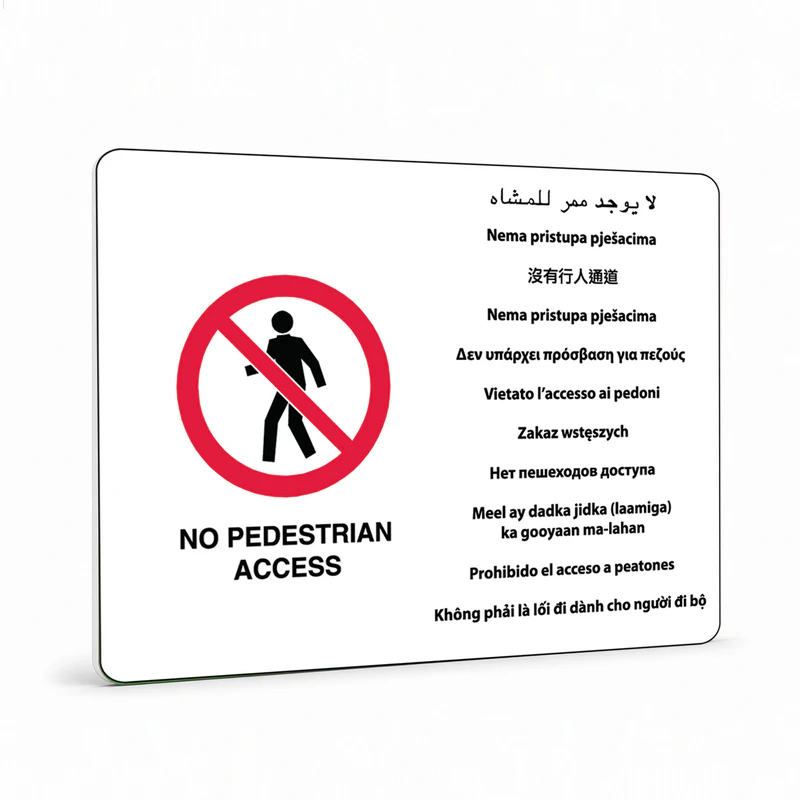
Multilingual No Pedestrian Access Sign
Compliant with AS 1319. Colours, layout and pictogram meet the Australian standard for safety signs in the workplace.
Australian Made
Designed & produced in-house in QLD.
Fast Delivery
Australia-wide shipping from Brisbane.
100% Satisfaction
Satisfaction guaranteed. Love it or return it.
Expert Support
Need help? We’re here to assist: Contact us
The Multilingual No Pedestrian Access Sign is used to clearly restrict foot traffic where pedestrians are not permitted, including active worksites, construction zones, plant rooms and other controlled access areas. It is the type of safety sign you would specify when you need the message to be understood quickly by a diverse workforce, contractors and visitors, helping reduce confusion at entry points, barricades and exclusion zones.
Key Features
- Multilingual: Displays warnings in multiple languages to improve understanding across diverse crews, site visitors and non-English speaking workers, making the instruction clearer in busy, multicultural environments.
- High Visibility: Uses bold lettering and strong colour contrast so the message stands out in areas with vehicle movement, changing site conditions and general workplace activity where clear direction is important.
- Durable Material: Made from high-quality materials for reliable, long-lasting use in demanding environments where safety signage may be exposed to regular handling and outdoor conditions.
- Compliance: Meets Australian Standard AS 1319 for safety signs, making it suitable for use as part of a structured workplace safety and access control system.
Specifications
- Material: Durable, weather-resistant material suitable for practical use in industrial, commercial and construction settings where signage needs to remain legible over time.
- Dimensions: Available in various sizes to suit different locations, from narrow access points and temporary barriers to larger perimeter and site entry applications.
- Colour: High contrast colours for visibility, helping the warning remain easy to identify in fast-moving, low-light or visually busy environments.
Applications
- Construction sites and building projects where pedestrian movement must be kept away from hazardous work areas
- Warehouse traffic zones and loading areas where forklifts, trucks and equipment create a no-entry pedestrian environment
- Plant areas, service corridors and industrial facilities where access is restricted for safety or operational reasons
- Active worksites and temporary exclusion zones where clear multilingual direction is needed for workers and contractors
- Entry points to barricades, fenced-off areas and controlled access locations where pedestrian access is not allowed
Manufactured in Australia by Sign Portal, this sign can also be produced in custom variations to suit different site layouts, language requirements and signage programs. Order today for fast Australia-wide dispatch.
Related All Products
Relevant products you might also need.
FAQ
Safety signs questions
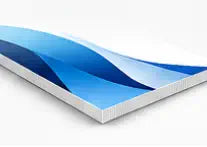
For outdoor applications we recommend Aluminium Sheet, Aluminium Composite Material (ACM) or Polypropylene, depending on the environment. Solid aluminium provides the highest level of durability and corrosion resistance, ACM offers an excellent balance of strength, weight and value, while polypropylene is ideal for temporary outdoor signage where a lightweight solution is required.
Foam PVC and polypropylene are popular choices for indoor safety signs because they are lightweight, cost-effective and provide excellent print quality. They are commonly used in warehouses, offices, schools, factories and commercial buildings.
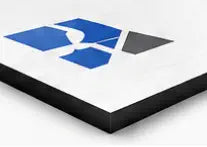
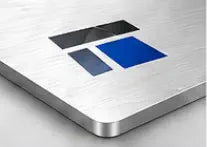
Aluminium Composite Material (ACM), sometimes referred to as ACP, consists of two thin aluminium skins bonded to a polyethylene core. It is lightweight, rigid and widely used throughout the signage industry. Solid aluminium is manufactured from a single sheet of aluminium, making it more impact resistant and better suited to harsh outdoor environments, coastal locations and applications requiring maximum longevity.
In terms of strength and durability the general order is: Solid Aluminium, Aluminium Composite Material (ACM), Foam PVC and Polypropylene. The best material ultimately depends on the environment, expected lifespan and installation method.
Reflective safety signs improve visibility during low-light conditions by reflecting light back towards its source. They are commonly used for regulatory signage, traffic management, construction sites, car parks, emergency exits and locations where signs need to remain visible at night.
Our reflective materials are available in grades manufactured to meet the requirements of AS/NZS 1906.1:2017 for retroreflective materials where applicable. If your project requires a particular reflective classification, please let us know and we can recommend the appropriate material for your application.
Engineering Grade (Class 100) reflective material has a smooth appearance with no visible prism pattern. Higher-performance prismatic reflective materials, such as Class 400 and Class 1100, contain microscopic prisms that may be visible when viewed up close. This is a normal characteristic of the material and contributes to its increased reflectivity.
Class 100 is suitable for general commercial and private property signage where good night-time visibility is required. Class 400 (or 400T) provides significantly higher reflectivity and is commonly used for public road signage and traffic management. Class 1100 offers the highest level of retroreflectivity for critical road safety applications including highways, intersections and high-speed environments.
No. Road authorities may specify minimum reflective grades, colours, sizes and sign designs. Requirements vary between states, councils and project specifications. Always confirm the required standard with the relevant road authority before purchasing.
Yes. Sign Portal manufactures custom safety signs in-house. We can produce virtually any size, material or design, including company branding, site-specific information, custom wording and logos.
Our safety signs can be supplied with pre-drilled holes, rounded corners, adhesive backing, cable tie holes or left blank depending on your installation requirements.
The lifespan depends on the material, installation location and exposure to weather. Solid aluminium and ACM signs can provide many years of outdoor service when correctly installed, while indoor materials such as Foam PVC provide excellent longevity in protected environments.
Absolutely. If you're unsure which material best suits your application, our experienced team can recommend the most appropriate option based on your location, budget, installation method and expected lifespan.
Many safety signs are designed to align with the relevant Australian Standards; however, the applicable requirements vary depending on the type of sign and its intended use. If your project requires compliance with a particular Australian Standard or industry specification, please let us know so we can recommend the appropriate product.
Some regulated environments, roadways and workplaces may require specific signage, sizes or installation methods. We recommend checking the applicable workplace, council or regulatory requirements before installation where compliance is mandatory.
4.9
Based on 312 reviews
What customers say
“Ordered 40 site signs for a new build — arrived in 2 days, perfectly compliant. The team even fixed our wording for free.”
Dave M. · Site Manager, Brisbane
“Custom switchboard labels matched our spec exactly. Easy reorder portal and great pricing for bulk.”
Renee K. · Facilities, Gold Coast
“A-frame and shopfront decals look fantastic. Genuinely helpful advice on material for outdoor use.”
Sam T. · Cafe Owner, Sunshine Coast
“Rolled out a full site safety board pack across three projects. Consistent quality and the AS1319 compliance gave our auditors zero issues.”
Priya N. · HSE Coordinator, Sydney